Solaris Grape: The White Wine Grape Behind Danish Wine
Where Solaris comes from, why it thrives this far north, what Solaris wine tastes like and how we turn it into white and orange wine by the sea in South Zealand.
- Crossed in Freiburg in 1975
- In almost half of Danish commercial wines
- Hvid Lagune: 90 to 92 Falstaff points
What is the Solaris grape?
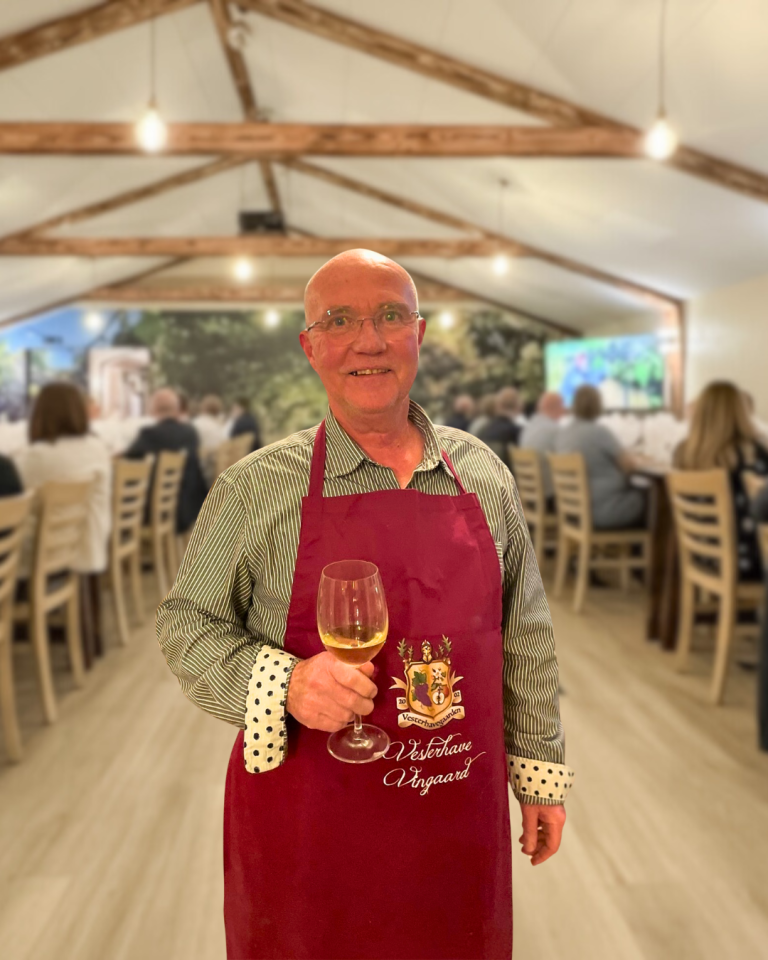
By Jesper Rye Jensen, winegrower and owner of Vesterhave VingaardUpdated 2026
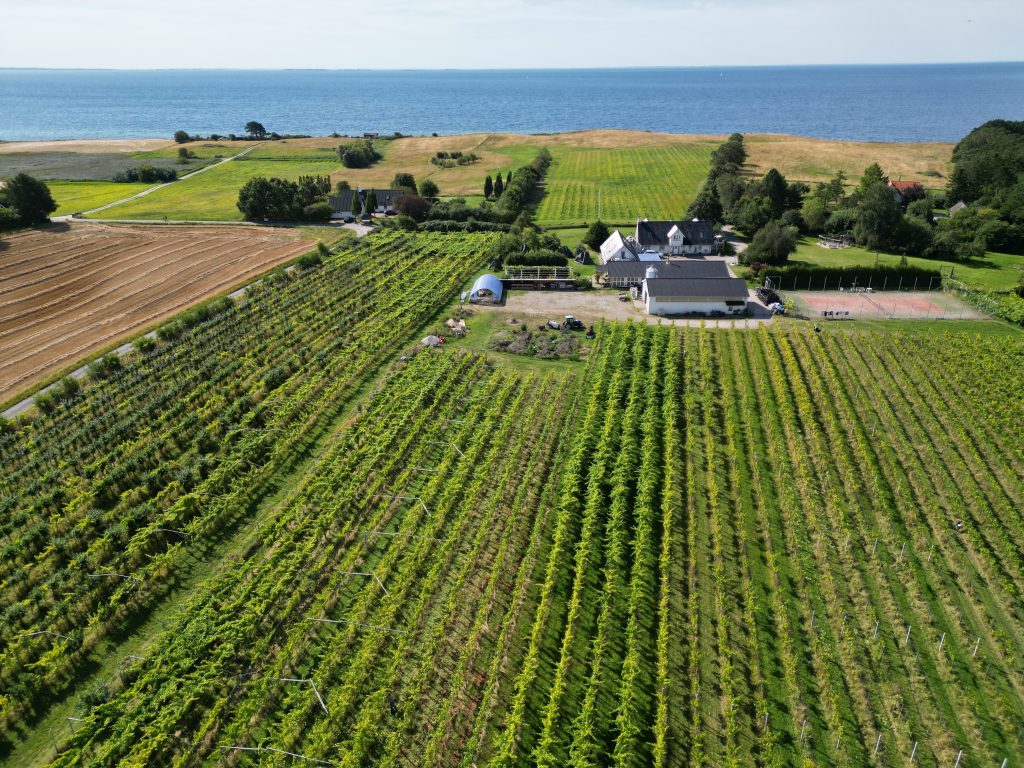
Solaris is a white, early-ripening and disease-resistant grape variety, crossed in 1975 at the State Viticultural Institute in Freiburg, Germany. It is the most important grape in Danish wine and goes into almost half of Danish commercial wines. At Vesterhave Vingaard in Karrebæksminde, South Zealand, Solaris is the backbone of our white and orange wines.
Every autumn I walk the rows of Solaris by Smålandshavet and taste the grapes to decide when to pick. Solaris is the grape that made serious Danish white wine possible, and it is the grape visitors ask me about most often. Many have never heard of it before they taste it.
This guide explains where Solaris comes from, why it grows so well in a cool northern climate, what Solaris wine tastes like and which styles it makes. I also show how we make our own Solaris wines, step by step, with sources for the facts.
Where does the Solaris grape come from?
Solaris comes from Germany. According to the Wein.plus wine glossary, it was crossed in 1975 by Norbert Becker at the State Viticultural Institute in Freiburg, Baden-Württemberg, and was bred to resist fungal disease and ripen early.
| Solaris | Fact | Source |
|---|---|---|
| Colour | White grape | Wein.plus |
| Crossed | 1975, Norbert Becker, State Viticultural Institute Freiburg | Wein.plus |
| Parents | Merzling x Gm 6493 (Zarya Severa x Muscat Ottonel) | Wein.plus |
| Breeding number | Freiburg 240-75 (FR 240-75) | Wein.plus |
| Plant variety protection | 2001 | Wein.plus |
| Approved in Germany | 2004 | Falstaff |
| Ripening | Early | Wein.plus |
| Fungal resistance | Generally good, especially against downy mildew | Wein.plus |
| Vineyard area | Germany 91 ha, Switzerland 20 ha, Norway 8 ha, plus plantings in Belgium, Denmark and Sweden | Wein.plus |
| Share of Danish wine | Almost half of Danish commercial wines | Wine Anorak (2025) |
Solaris is a so-called PIWI variety, a German term for grapes bred to resist fungal disease. Wein.plus notes that Solaris is itself a parent of seven other PIWI varieties, including Cabernet Cortis, Cabernet Cantor and Muscaris.
Why does Solaris grow so well in Denmark?
Solaris grows well in Denmark because it ripens early and resists fungal disease. Those two qualities matter more than anything else in a short, often damp northern summer, and Wein.plus describes Solaris as particularly suitable for northern conditions.
Early ripening means the Solaris grapes can reach full ripeness before the autumn turns cold. Falstaff notes that Solaris sprouts late and ripens very early, with high sugar production.
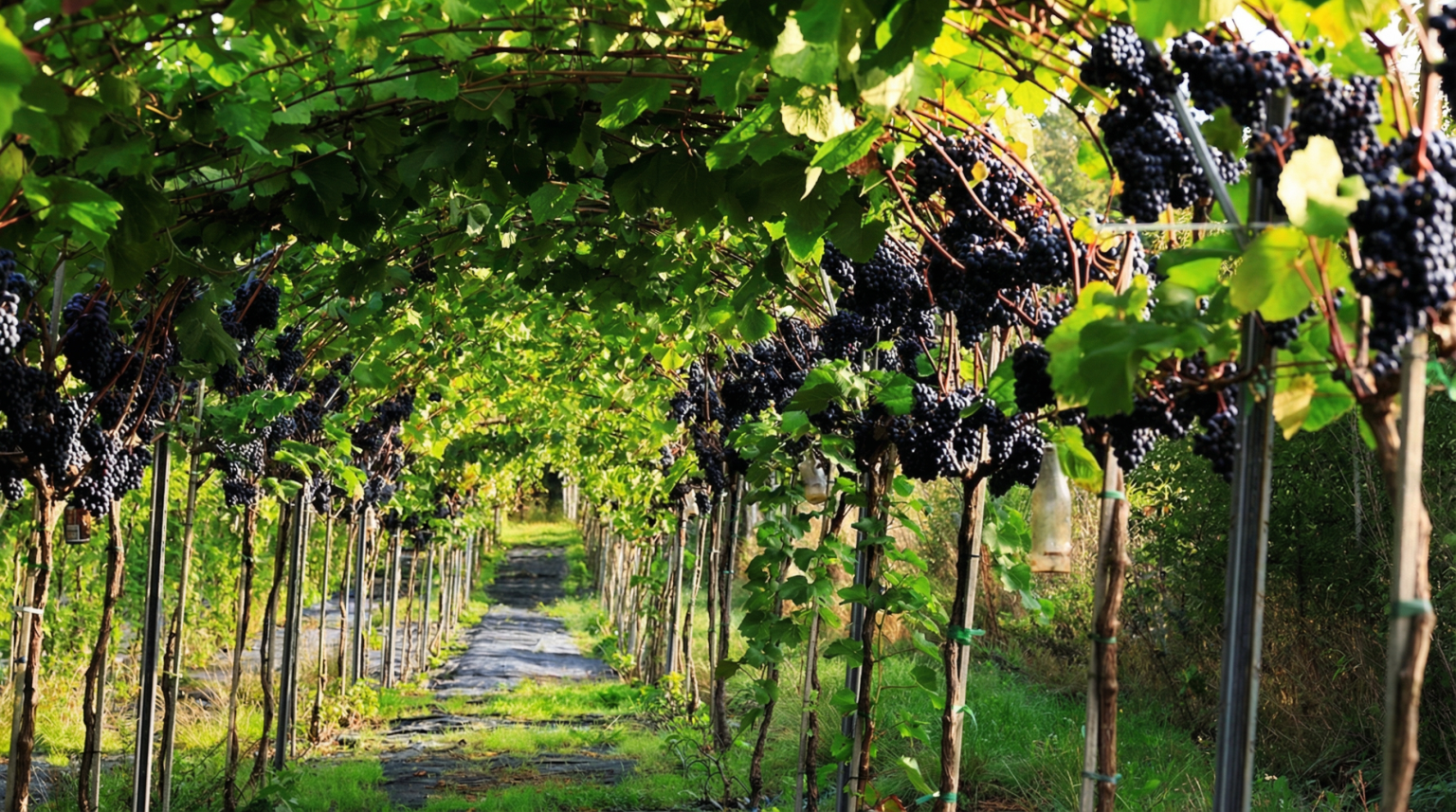
Disease resistance means a Solaris vineyard can be farmed organically in practice. According to Wine Anorak (2025), more than 90 % of Danish vineyard area is farmed organically, and the resistance of grapes like Solaris is part of the reason. Wine Anorak also reports that Solaris goes into almost half of Danish commercial wines.
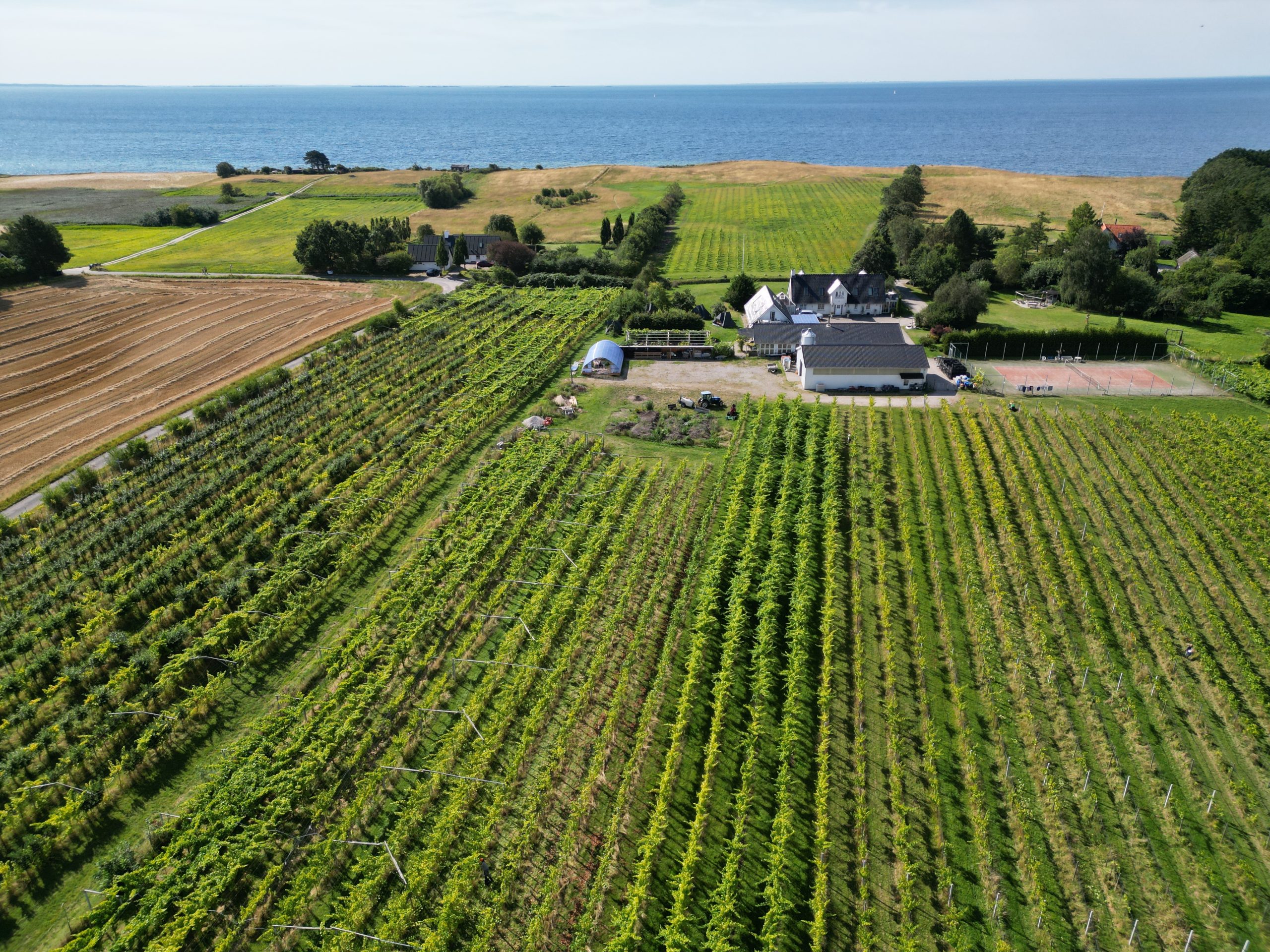
Location matters too. Wine Anorak points out that vineyards close to water face a lower risk of spring frost. Our Solaris vines at Vesterhave Vingaard grow right by Smålandshavet in Karrebæksminde. The sea protects the vines against night frost and gives the grapes a longer ripening season in autumn.
For the bigger picture of grapes, regions and numbers, read our guide to Danish wine.
What does Solaris wine taste like?
Solaris wine is typically fruity and fresh, with clear acidity and plenty of body. Wein.plus describes Solaris as giving strong, acidic white wines with a pronounced fruitiness.
The taste of a Solaris wine depends a lot on how it is made. A cool, stainless steel fermentation keeps the Solaris fruit bright and fresh. Skin contact adds colour, texture and grip. Barrel ageing adds roundness. That is why two Solaris wines can taste very different.
In our own Solaris wines, these are the notes we describe on the labels:
- Orange Lagune 2024 (Solaris 75 %, Pinot Gris 25 %): dry and fresh, with elderflower, lemon, red gooseberry and pineapple, and a light orange colour.
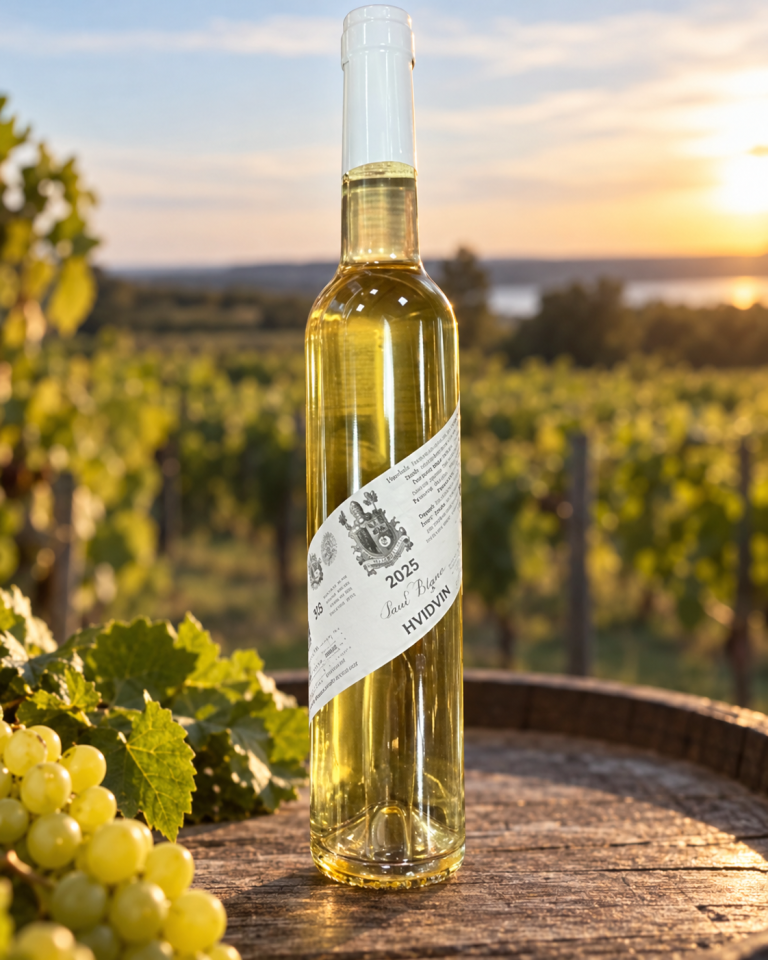
- Hvid Lagune 2025 (Solaris and Pinot Gris): full-bodied, round and concentrated, with pepper, smoke and a creamy texture, held together by well-integrated acidity.
Hvid Lagune 2025 has 2 g/l residual sugar, which makes it a dry white wine. Both wines are organic and vegan, as stated on the product labels.
Which wine styles are made from Solaris?
Solaris is used for dry white wine, orange wine, oak-aged white wine, sparkling wine and sweet wine. Danish producers have tested all of them, and the table shows examples described by Wine Anorak (2025) next to our own wines.
| Style | How it is made | Example | Source |
|---|---|---|---|
| Dry white | Pressed and fermented in stainless steel, often blended | Hvid Lagune 2025 (Solaris and Pinot Gris) | Vesterhave Vingaard |
| Orange wine | Fermented or macerated on the skins like a red wine | Orange Lagune 2024, 4 days on the skins; Gilleleje Orange Solaris 2023, 3 weeks on the skins | Vesterhave Vingaard, Wine Anorak |
| Oak-aged white | Fermented in barrique | Ømberg Paulus Solaris 2022, wild-fermented, 25 % new oak | Wine Anorak |
| Sparkling | Part of a sparkling blend | Skærsøgaard Dons Cuvée Brut 2019, one of four grapes | Wine Anorak |
| Sweet | Made by freezing the must | Lindely Frosklar Isvin Solaris 2023 | Wine Anorak |
Wine Anorak (2025) notes that Solaris has a reputation for bitterness when fermented on the skins, so skin contact needs a careful hand. That is one reason we keep the maceration of Orange Lagune short. About 20 % of Danish wine production is sparkling, according to the same source.
How do we make Solaris wine at Vesterhave Vingaard?
At Vesterhave Vingaard we pick our Solaris by hand and ferment it cool in stainless steel. Here is how Orange Lagune 2024 was made, from the field we call Skovager to the bottle.
Hand harvest
The grapes for Orange Lagune 2024 were picked by hand on 13 October 2024, in the fresh sea air by Smålandshavet.
Sorting and destemming
We sort the grapes carefully, remove the stems and give them a gentle first pressing.
Four days on the skins
Skins, seeds, pulp and must stay together in a steel tank for 4 full days. This gives the orange colour and more flavour.
Cool fermentation
The clean must is fermented in stainless steel at about 12 °C for 2 weeks. We skip malolactic fermentation to keep more fruit.
Six months on the lees
The wine rests on its fine lees in steel tank for 6 months before clarification and bottling with natural cork.
Orange Lagune is developed and produced by me at the vineyard. Vesterhave Vingaard is Denmark’s largest organic vineyard, with about 25,000 vines under organic control.
What food goes with Solaris wine?
Solaris wine goes best with fish, shellfish and light dishes, where its fruit and acidity can lift the food. Serve a fresh Solaris white or orange wine chilled at 8 to 10 °C.
These are the pairings we recommend for our own Solaris wines:
- Fish and salmon, especially grilled fish
- Shellfish dishes
- Light white meat dishes
- Dishes seasoned with thyme and other herbs
- On its own on a summer day on the terrace
A fuller Solaris such as Hvid Lagune, with its creamy texture, can also take richer fish dishes. For more ideas, see our guide to choosing wine for a meal (in Danish).
Where can you taste Solaris wine in Denmark?
The best place to taste Solaris wine is at a Danish vineyard, where you can see the vines and taste the wine next to them. Vesterhave Vingaard in Karrebæksminde, South Zealand, is about one hour by car from Copenhagen and welcomes guests for tours and tastings from spring until late autumn.
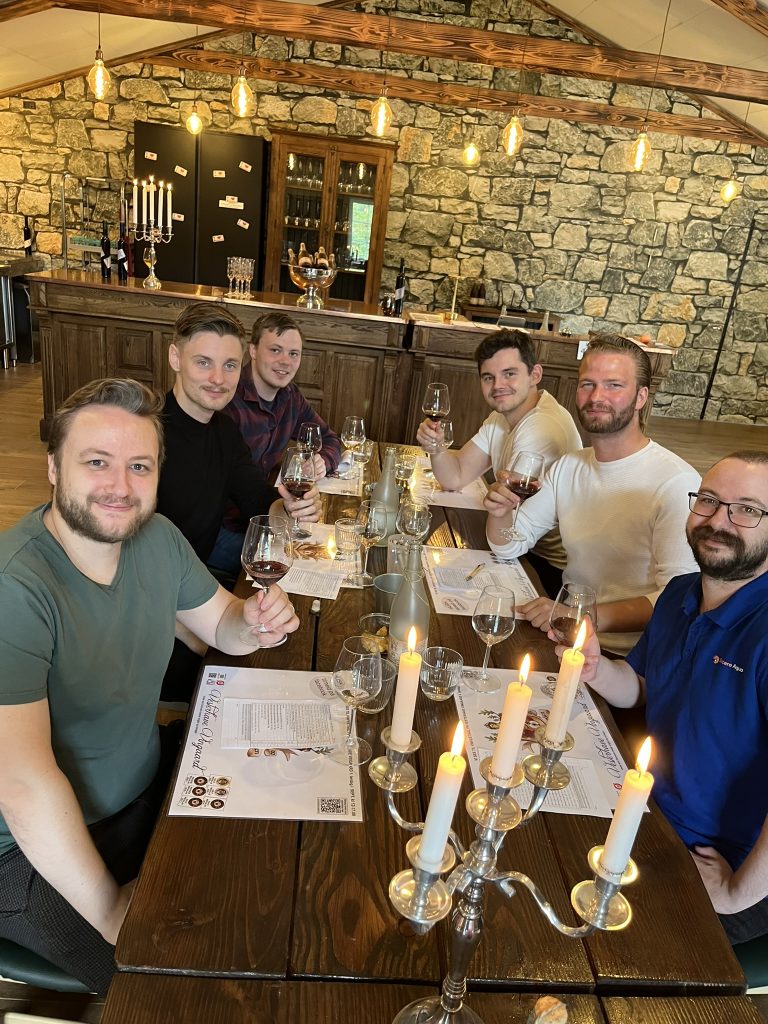
A tasting usually covers 4 to 6 glasses: white, a light rosé, red and a sparkling apple wine. The tour goes through the organic vineyards, where we grow Solaris for our white wines and Leon Millot and Regent for our reds, and into the winery with its tanks and oak barrels.
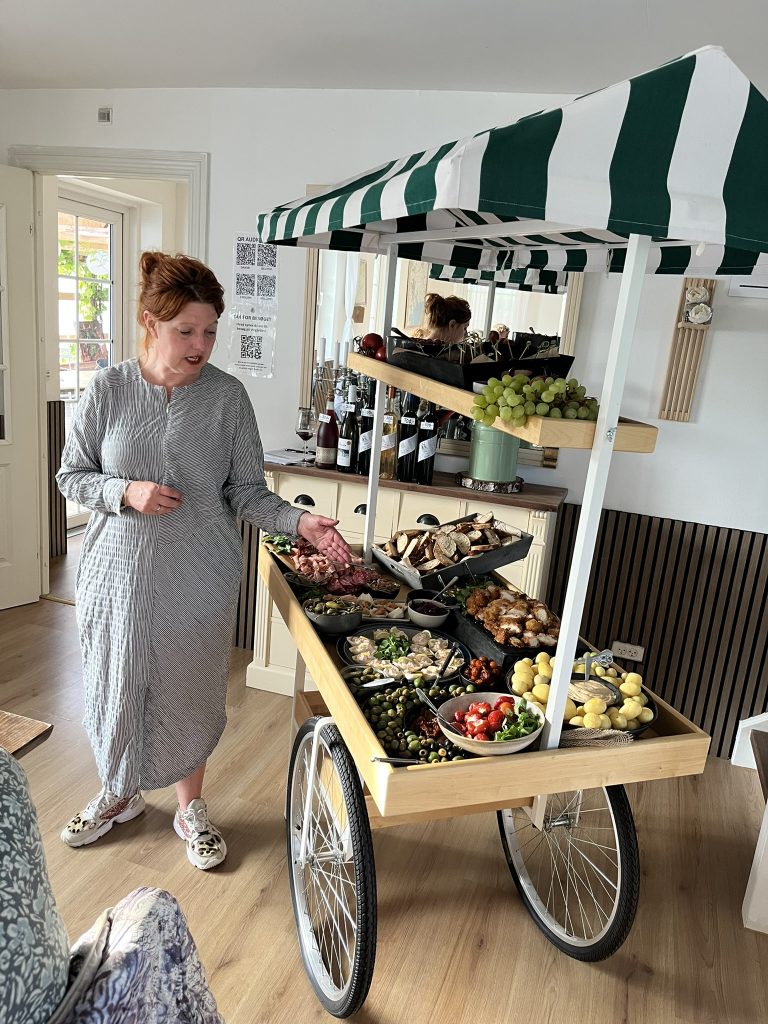
You can add a tapas platter with local cheeses and homemade bread. If you want to stay the night, we have two suites with views of the vineyard, one of them also overlooking the sea.
Practical details for international guests are on our page about wine tasting near Copenhagen.
Frequently asked questions about Solaris
What is the Solaris grape?
Solaris is a white grape variety crossed in 1975 by Norbert Becker at the State Viticultural Institute in Freiburg, Germany. It ripens early and is generally resistant to fungal diseases, especially downy mildew. That makes Solaris well suited to cool northern climates such as Denmark, Sweden and Norway.
What does Solaris wine taste like?
Solaris wine is usually fruity and fresh with clear acidity and good body. Wein.plus describes strong, acidic white wines with pronounced fruitiness. Vesterhave Vingaard’s Orange Lagune shows elderflower, lemon, red gooseberry and pineapple, while Hvid Lagune is fuller, with pepper, smoke and a creamy texture.
Is Solaris a good wine grape?
Solaris is a very good white grape for cool climates, because it ripens early and resists fungal disease. In Denmark it goes into almost half of commercial wines, according to Wine Anorak (2025). Hvid Lagune, made from Solaris and Pinot Gris, received 90 to 92 points from Falstaff.
Is Solaris wine dry or sweet?
Solaris can make both. Most Solaris wines are dry whites, and Hvid Lagune 2025 from Vesterhave Vingaard has 2 g/l residual sugar. Because Solaris can reach high sugar levels, it is also used for sweet wines, such as Danish ice wine made by freezing the must.
Why is Solaris grown in Denmark?
Solaris is grown in Denmark because it ripens early enough for a short northern summer and resists fungal disease in damp weather. The resistance also makes organic farming practical. Wine Anorak (2025) reports that more than 90 % of Danish vineyard area is organic and that Solaris is by far the main grape.
What food goes with Solaris wine?
Solaris wine pairs well with fish, salmon, grilled fish, shellfish dishes and light white meat. Herb-seasoned dishes with thyme also work well. Serve a fresh Solaris white or orange wine chilled at 8 to 10 °C, or simply enjoy it on its own on a summer day.
Where can I taste Solaris wine near Copenhagen?
You can taste Solaris wine at Vesterhave Vingaard in Karrebæksminde, South Zealand, about one hour’s drive from Copenhagen. The vineyard offers guided tours and tastings of 4 to 6 organic wines from spring until late autumn. Dates and booking are on book.vesterhave-vingaard.dk.
Jesper Rye Jensen
Jesper is the winegrower and owner of Vesterhave Vingaard, Vesterhavevej 204, 4736 Karrebæksminde. He grows organic wine by Smålandshavet in South Zealand, and his Blå Lagune 2019 received 96 points from Falstaff.
Sources
- Wein.plus wine glossary: Solaris
- Falstaff: Grape variety Solaris
- Wine Anorak: Danish wine, a study on this small but fast-growing cool-climate wine scene (January 2025)
- Vesterhave Vingaard: Orange Lagune 2024, product details
- Vesterhave Vingaard: Hvid Lagune 2025, product details
- Vesterhave Vingaard: Danish wine guide
Taste Solaris where it grows
The easiest way to understand Solaris is to taste it next to the vines it came from. Book a tour and tasting at Vesterhave Vingaard, about one hour from Copenhagen, and I will show you what this northern grape can do by the sea.
Questions? Write or call us in English.
[email protected]+45 40 55 77 04Vesterhavevej 204, 4736 Karrebæksminde, Denmark