Danish Wine: A Winegrower’s Guide to Grapes, Regions and Where to Taste It
Yes, Denmark makes wine, and some of it is very good. Here is what grows here, what it tastes like, and how to try it at the source, about one hour from Copenhagen.
- EU wine country since 2000
- 173 hectares of vines (2022)
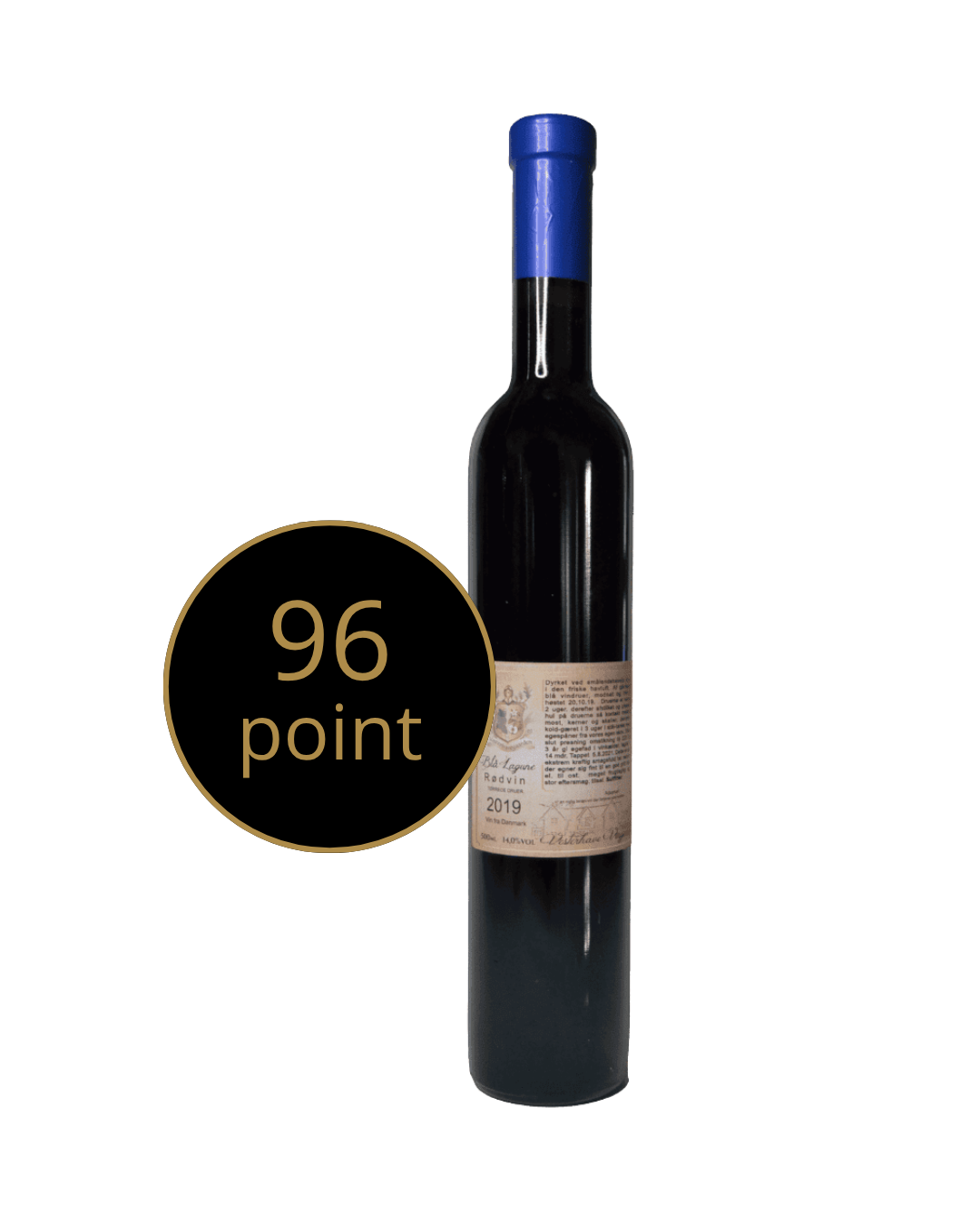
- 96 Falstaff points for Blå Lagune 2019
What is Danish wine?
By Jesper Rye Jensen, winegrower and owner of Vesterhave VingaardUpdated 2026
Danish wine is cool-climate wine made from grapes grown in Denmark, which became an EU-recognised wine country in 2000. Most of it is crisp white, rosé and sparkling wine from hardy grapes such as Solaris and Rondo. You can taste it at vineyards like Vesterhave Vingaard in Karrebæksminde, South Zealand, about one hour from Copenhagen.
I grow grapes by the sea in South Zealand, and the question I hear most from visitors is a simple one: can you really make wine this far north? The short answer is yes. The longer answer is what this guide is about.
Denmark is a young wine country. Many vineyards are young, as the number of growers doubled between 2016 and 2022, and the people who run them are often the same people who will pour your glass. That makes a visit very personal. Below I explain the grapes, the regions, the styles and how good the wines have become, with sources for the numbers.

How big is the Danish wine industry?
Danish wine is small but growing fast. According to Statistics Denmark (2024), the number of businesses growing wine grapes doubled from 71 in 2016 to 146 in 2022, and the area under vine more than doubled.
| Danish wine | Figure | Source |
|---|---|---|
| Recognised as an EU wine country | 2000 | Wein.plus, VisitDenmark |
| Businesses growing wine grapes | 71 (2016), 146 (2022) | Statistics Denmark (2024) |
| Area under vine | 75 ha (2016), 173 ha (2022) | Statistics Denmark (2024) |
| Grapes harvested | 349 tonnes (2022) | Statistics Denmark (2024) |
| Share of vineyards east of the Great Belt (Zealand and Bornholm) | 56.3 % (2022) | Statistics Denmark (2024) |
| Sales of Danish grape wine | DKK 13 million (2016), DKK 34 million (2023) | Statistics Denmark (2024) |
| Regions with protected geographical indication | 4: Jutland, Funen, Zealand, Bornholm | Wein.plus |
For comparison, Statistics Denmark notes that the EU as a whole had 3.2 million hectares of vineyards in 2020. Denmark is a tiny player, which is part of the charm.
Which grapes are used in Danish wine?
Danish wine is mainly made from hardy, early-ripening grapes bred for cool climates. Solaris is the leading white grape and Rondo is the best-known red grape.
Solaris was crossed in 1975 at the State Viticultural Institute in Freiburg, Germany. According to the Wein.plus wine glossary, it ripens early and is generally resistant to fungal diseases. Both qualities matter a lot in a Danish summer. According to Wine Anorak (2025), Solaris goes into almost half of Danish commercial wines. Solaris gives aromatic white wines with ripe fruit and fresh acidity. Read more in our guide to the Solaris grape.
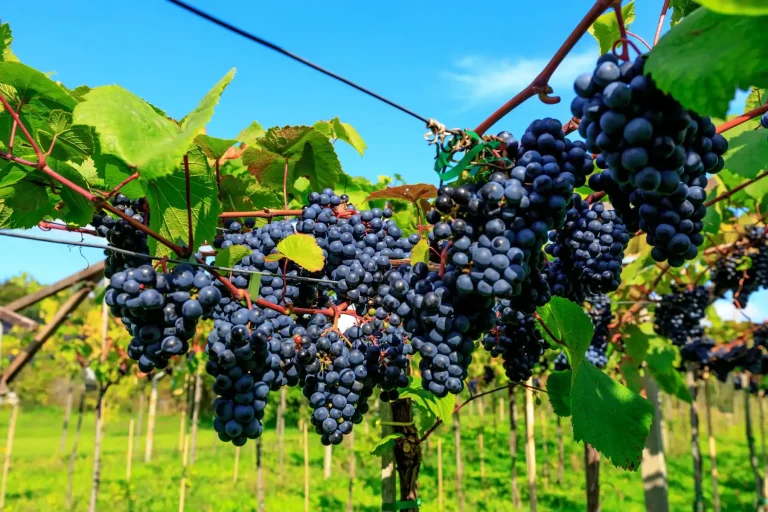
Rondo is the most planted dark grape in Denmark, according to Vineyard Magazine (2022). It is used for red wine and rosé.
Other varieties you will meet include Souvignier Gris, Cabernet Cortis, Cabernet Cantor, Pinot Noir and Frühburgunder. Many of these are so-called PIWI grapes, which means they are bred to resist fungal disease.
At Vesterhave Vingaard we grow Solaris for our white wines and Leon Millot and Regent for our reds. We pick by hand, and we dry part of the red grapes before pressing. That method is called appassimento, and it is what gives our Amarone-inspired reds their depth.
Where are the wine regions in Denmark?
Denmark has four wine regions with protected geographical indication: Jutland, Funen, Zealand and Bornholm, according to Wein.plus. The small area of Dons near Kolding has had a protected designation of origin since 2018.
Zealand, the island where Copenhagen lies, is the most important region. Statistics Denmark (2024) reports that 56.3 % of Danish vineyards were east of the Great Belt in 2022, which means Zealand and Bornholm.
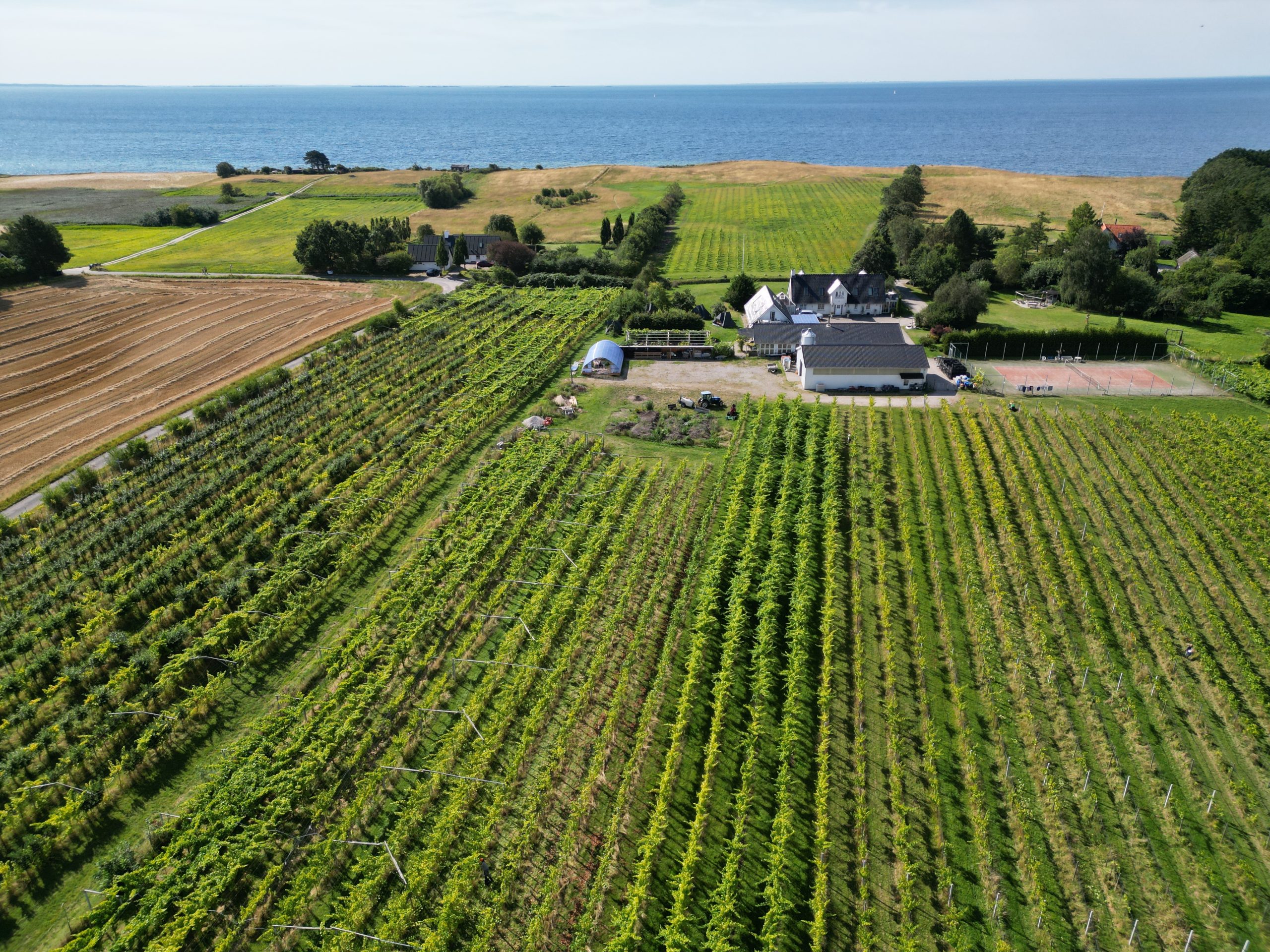
The sea is the key to Danish winegrowing. Many vineyards sit close to the coast, because water reduces the risk of frost in spring. Our own vines in Karrebæksminde grow right by Smålandshavet, part of the Baltic Sea. The water protects them against night frost and gives the grapes a longer ripening season in autumn.
For a sense of how far north this is: Copenhagen lies at about 56 degrees north, roughly the same latitude as Edinburgh, as Vineyard Magazine points out.
If you read Danish, our guide to vineyards in Denmark lists more places you can visit.
What does Danish wine taste like?
Danish wine is typically fresh, with lively acidity, clear fruit and moderate alcohol. White, rosé and sparkling wines are the strongest styles, and sparkling wine made up about 20 % of production according to Wine Anorak (2025).
White
Often based on Solaris. Aromatic, with ripe fruit and crisp acidity. Our Hvid Lagune is full-bodied and creamy, with notes of pepper and smoke.
Rosé
Fresh and light, perfect with Danish summer food. Our Rosa Lagune is coral pink with cherry, mint and honey and a crisp finish.
Sparkling
The cool climate keeps acidity high, which suits sparkling wine. Lagune, our sparkling rosé, is a guest favourite.
Red
Harder to ripen this far north, but possible on good sites. Our Sort Lagune 3 is powerful and Médoc-inspired, with mint, smoke and dark berries.
Denmark also makes fruit wines, ciders, dessert wines and mead. Statistics Denmark (2024) reports that sales of cider and other fruit wines were DKK 129 million, far more than grape wine.
Is Danish wine any good?
Yes. The best Danish wines now score as well as good wines from established regions. In a 2025 tasting reported by Wine Anorak, the Danish wines scored between 88 and 94 points out of 100.
Wine Anorak (2025) describes how Danish wine has moved from an experimental start to a more technical and confident phase, helped by a shift towards white and sparkling wines. Not every bottle is great, and vintages vary more than in warmer countries. That is true of any cool-climate region.
Our own results from the Austrian wine magazine Falstaff:
- Blå Lagune 2019, red: 96 points
- Sort Lagune 3, red: 93 points
- Hvid Lagune, white: 90 to 92 points
- Rosa Lagune, rosé: 89 to 91 points
Read more about the wine Falstaff called the best in the Nordics (in Danish), or see our wines in the online shop.
Is Danish wine organic? Much of it is. Wine Anorak (2025) reports that more than 90 % of Danish vineyard area is farmed organically, largely because the disease-resistant grapes make it practical. Vesterhave Vingaard is Denmark’s largest organic vineyard, with about 25,000 vines under organic control, and our wines carry the official organic label.
Where can you taste Danish wine?
The best place to taste Danish wine is at a vineyard, where you can see the vines and meet the grower. Vesterhave Vingaard in Karrebæksminde welcomes guests for tours and tastings from spring until late autumn. Here is how a visit works.
Book a date
See upcoming tastings and tours on our booking page. We recommend booking before you travel.
Travel south from Copenhagen
It takes about one hour by car. By public transport, take a regional train to Næstved and a short taxi ride of about 15 minutes. Plan the journey with Rejseplanen.
Walk among the vines
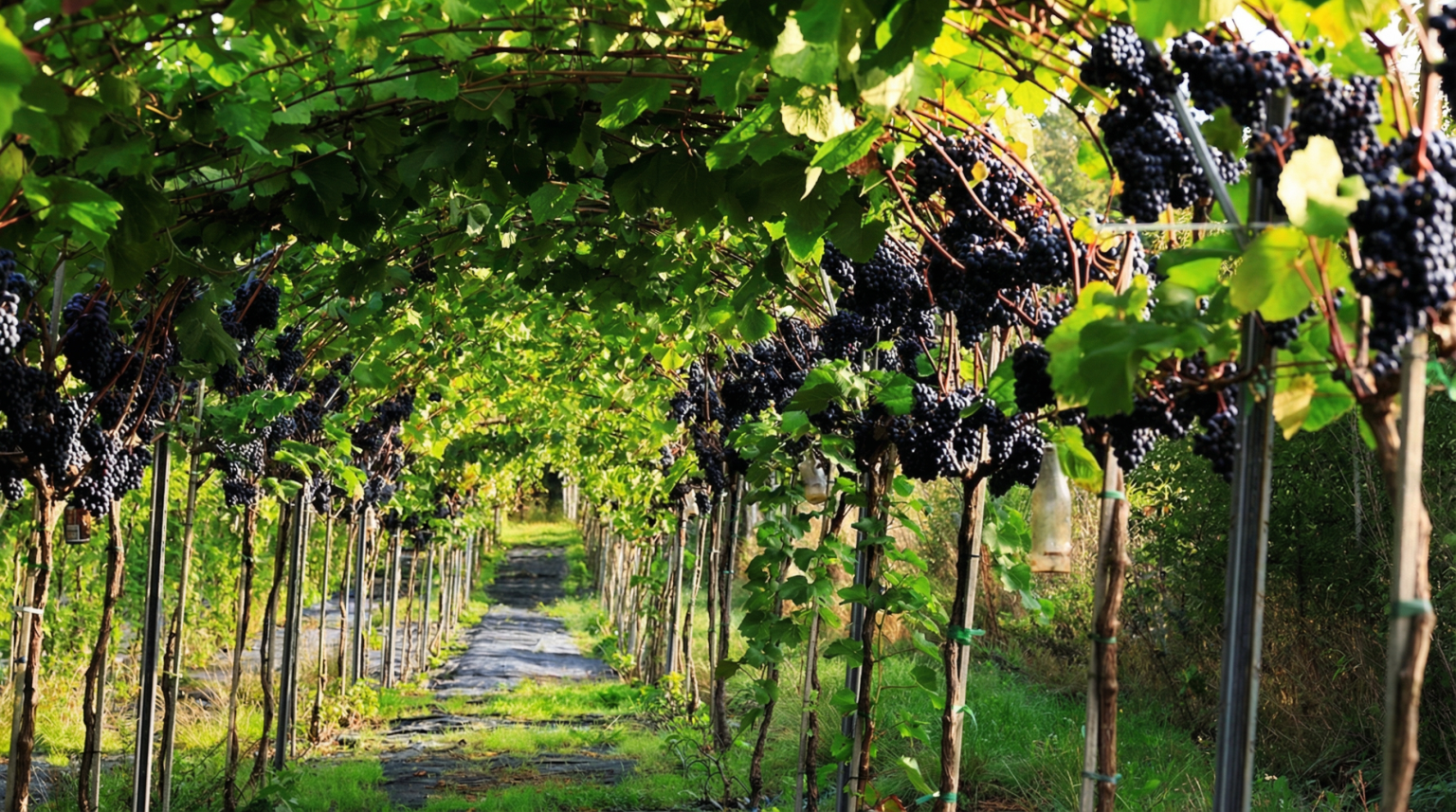
The tour goes through the organic vineyards and into the winery, where you see fermentation and oak barrels and hear how a year in a Danish vineyard looks.
Taste 4 to 6 wines
A tasting usually covers 4 to 6 glasses: white, rosé, red and sparkling. It takes place in the tasting room or on the covered pergola terrace.
Add tapas or stay the night
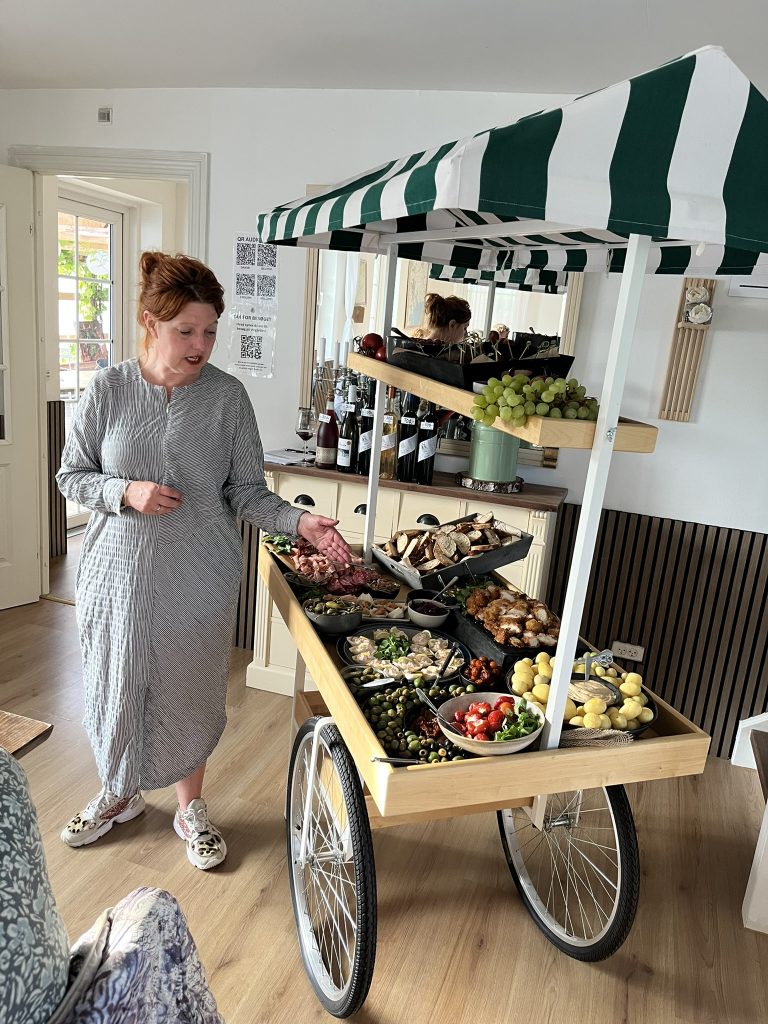
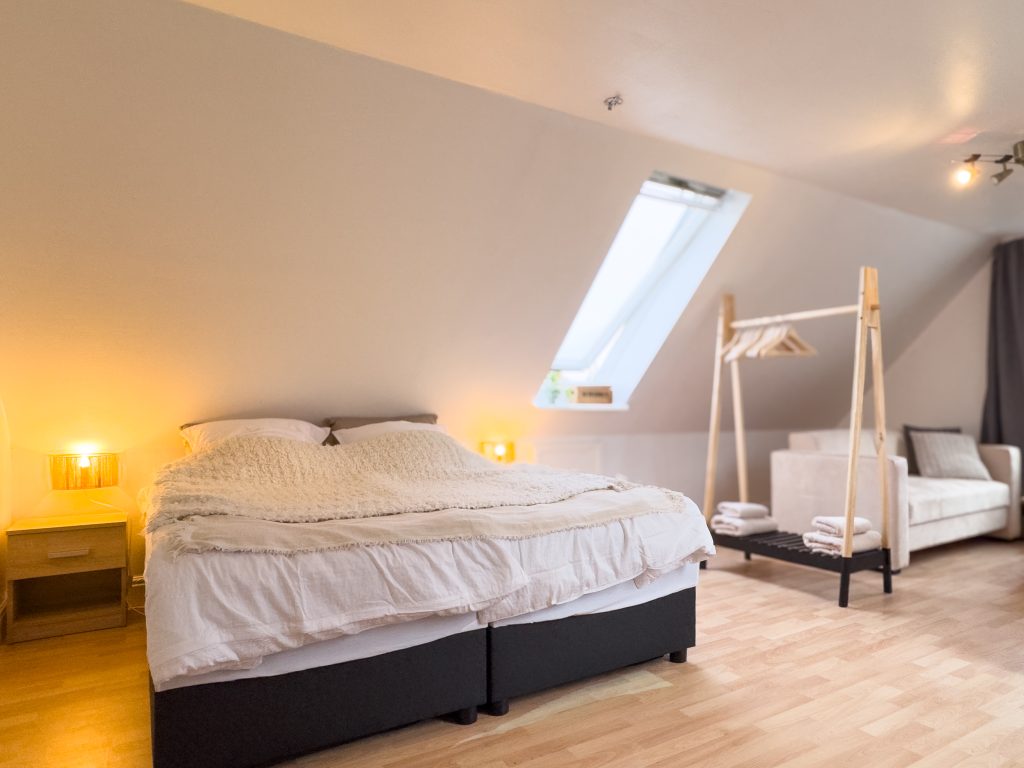
You can add a tapas platter with local cheeses and homemade bread. If you want to stay, we have two suites with views of the vineyard, and one of them also looks out over the sea.
More practical details for international guests: Wine tasting near Copenhagen: visit a Danish vineyard.
A Danish vineyard by the sea


Frequently asked questions about Danish wine
Does Denmark make wine?
Yes. Denmark has been an EU-recognised wine country since 2000. According to Statistics Denmark, 146 businesses grew wine grapes on 173 hectares in 2022. Most Danish wine is white, rosé or sparkling, made from cool-climate grapes such as Solaris and Rondo.
Is Danish wine good?
The best Danish wines are very good. In a 2025 tasting reported by Wine Anorak, Danish wines scored 88 to 94 points, and Falstaff gave Blå Lagune 2019 from Vesterhave Vingaard 96 points. Quality varies between producers and vintages, so tasting at a vineyard is the best way to judge for yourself.
What grapes grow in Denmark?
Solaris is the leading white grape and goes into almost half of Danish commercial wines. Rondo is the most planted dark grape. Other varieties include Souvignier Gris, Cabernet Cortis, Cabernet Cantor, Pinot Noir, Leon Millot and Regent. Most are bred to ripen early and resist fungal disease.
Where are the vineyards in Denmark?
Denmark has four protected wine regions: Jutland, Funen, Zealand and Bornholm. Zealand is the most important, and in 2022 more than half of Danish vineyards were east of the Great Belt. Many vineyards are close to the coast, where the sea reduces the risk of spring frost.
Where can I taste Danish wine near Copenhagen?
Vesterhave Vingaard in Karrebæksminde, South Zealand, is about one hour’s drive from Copenhagen. It offers guided vineyard tours and tastings of 4 to 6 organic wines from spring until late autumn. Dates are on book.vesterhave-vingaard.dk.
Is Danish wine organic?
A large share is. Wine Anorak reported in 2025 that more than 90 % of Danish vineyard area is farmed organically, helped by disease-resistant grape varieties. Vesterhave Vingaard is Denmark’s largest organic vineyard, and its wines carry the official organic label.
Can I buy Danish wine to take home?
Yes. You can buy wine at the vineyard when you visit, or order Vesterhave Vingaard’s wines in the online shop at vesterhave-vingaard.dk/shop.
Jesper Rye Jensen
Jesper is the winegrower and owner of Vesterhave Vingaard, Vesterhavevej 204, 4736 Karrebæksminde. He grows organic wine by Smålandshavet in South Zealand, and his Blå Lagune 2019 received 96 points from Falstaff.
Sources
- Statistics Denmark: Danish wine production (5 July 2024, in Danish)
- Wein.plus wine guide: Denmark
- Wein.plus glossary: Solaris
- Wine Anorak: Danish wine, a study on this small but fast-growing cool-climate wine scene (2025)
- Vineyard Magazine: Crazy making wine in Denmark (2022)
- VisitDenmark: Vineyards in Denmark
- Vesterhave Vingaard: Our wines and Falstaff points
Taste Danish wine where it grows
Reading about Danish wine is one thing. Standing among the vines by the sea with a glass of it is another. Book a tour and tasting at Vesterhave Vingaard, about one hour from Copenhagen, and we will show you what a Danish vineyard can do.
Questions? Write or call us in English.
[email protected]+45 40 55 77 04Vesterhavevej 204, 4736 Karrebæksminde, Denmark